Obtaining Necessary Permits
Before making any connection to an existing sewer line, it is crucial to obtain the necessary permits. Local municipalities often have specific regulations governing plumbing work that includes sewer line connections. These regulations may vary based on location, so checking with your local government or sewer authority is essential. The required permits ensure that the work is performed safely and complies with all local codes.
To initiate the permit application process, gather documentation that outlines your intended work. This may involve site plans, details of the existing sewer system, and possibly professional assessments. Once the application is submitted, be prepared for potential inspections or inquiries. Websites and resources that include "Sewer line installation and repair near me" can help locate licensed professionals who can assist you through this process, ensuring everything is done correctly from the start.
Navigating Local Regulations
Before connecting to an existing sewer line, it's crucial to familiarize yourself with your local regulations. Each municipality has its own codes and requirements governing sewer line connections. Contact your local building department or sanitation authority to inquire about specific rules, application processes, and necessary permits. Understanding these regulations can help you avoid costly fines and ensure compliance with all local standards.
Seeking assistance from professionals can simplify navigating these regulations. Many contractors are well-versed in local codes and can help facilitate the permitting process. You can start your search with phrases like "Sewer line installation and repair near me" to find qualified specialists in your area. This approach can yield expert advice and guidance tailored to your location.
StepbyStep Connection Process
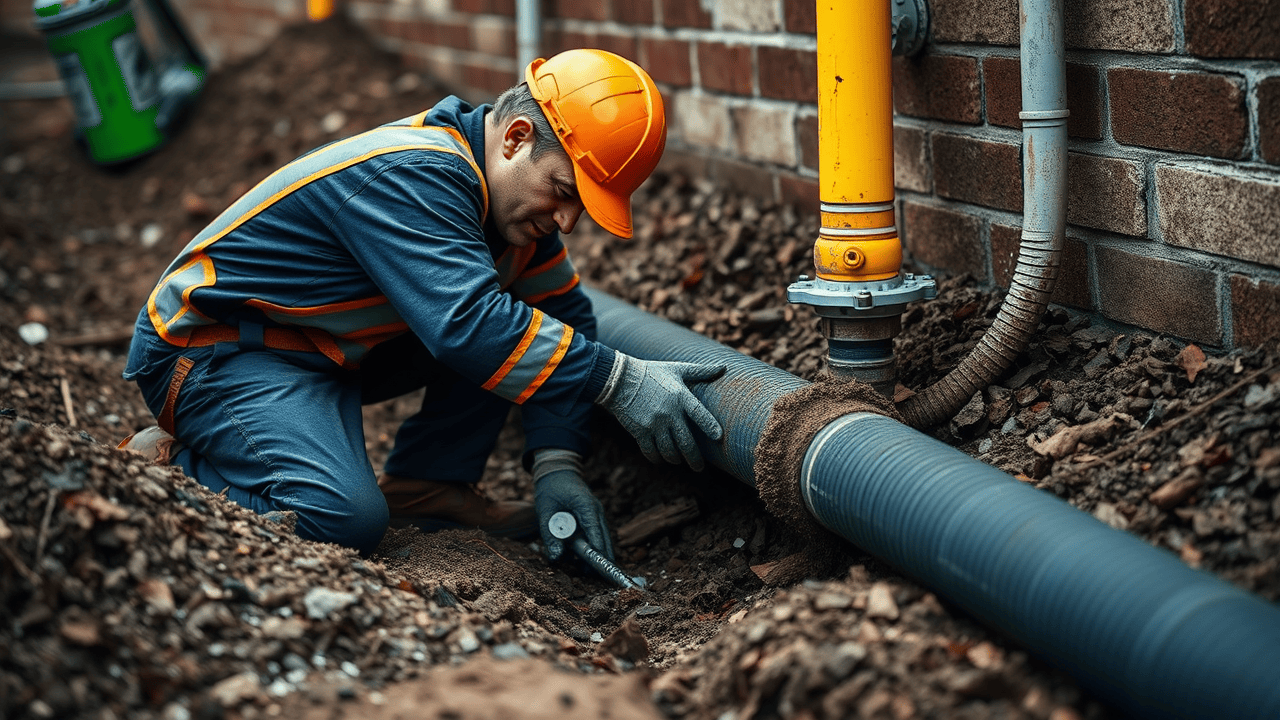
Connecting to an existing sewer line involves several practical steps that ensure a proper and compliant setup. First, identify the location of the existing sewer line and mark any utilities nearby. Carefully dig a trench leading to the sewer connection point, taking care to follow local regulations regarding trench depth and safety. Once the trench is ready, you can begin cutting into the existing sewer line. The cut must be clean to facilitate a smooth connection.
After creating the connection point, install a proper coupling to join your new line to the existing sewer line. Make sure all connections are secure to prevent leaks in the future. Backfill the trench carefully to avoid damaging the newly installed connections. It might be worthwhile to research "sewer line installation and repair near me" for professional guidance or assistance, ensuring that your installation meets all local code requirements and industry standards.
Connecting to the Existing Line
To connect to an existing sewer line, begin by determining its location. Dig a trench to expose the sewer line, ensuring that you comply with local codes regarding depth and width. Carefully inspect the existing line for any damage or obstructions that may affect your connection. Make sure to clear any debris before proceeding. If you feel uncertain about the integrity of the existing sewer line or the connection process, consider searching for "sewer line installation and repair near me" for professional assistance.
Once the sewer line is visible, align your new pipes with the existing line to create a secure and watertight connection. Use appropriate fittings and sealants to ensure there are no leaks. Follow the plumbing codes relevant to your area, as they dictate the types of connections allowed. Careful attention to detail is crucial during this stage, as improper connections can lead to costly repairs in the future. After completing this step, ensure all connections are securely fitted before backfilling the trench.
Testing Your Connection
After connecting to the existing sewer line, testing your connection is crucial to ensure it functions properly. This step typically involves checking for leaks and verifying that the wastewater flows smoothly through the new section of pipe. It’s advisable to run water through the system for a considerable time, while observing joints and connections for any signs of trouble. If any leaks are detected, repairs should be made promptly to avoid bigger issues down the line.
You may also consider hiring professionals for a thorough inspection of the newly established connection. They can use specialized tools to conduct video inspections of the pipes. If you're unsure where to find these services, a quick online search for “Sewer line installation and repair near me” can give you a list of qualified experts in your area. This added layer of scrutiny will help assure that the connection meets local codes and operates effectively.
Ensuring Proper Functionality
After completing the connection to the existing sewer line, it is essential to conduct thorough testing to ensure optimal functionality. Begin by running water through your newly installed system to confirm that it flows correctly and that there are no leaks at the connection points. Observing the flow rate and drainage speed can provide insight into whether the installation was successful. If any issues arise during this process, they should be addressed immediately to prevent potential problems down the line.
To guarantee long-term performance, consider scheduling regular inspections and maintenance. Knowing where to find reliable services for any future concerns can save time and effort. Searching "sewer line installation and repair near me" can help locate qualified professionals to assist with any necessary adjustments or repairs. Staying proactive about maintenance can further enhance the durability of your connection and the overall efficiency of your sewer system.
FAQS
Do I need a permit to connect to an existing sewer line?
Yes, you typically need to obtain a permit before connecting to an existing sewer line. Check with your local authorities to understand the specific requirements in your area.
What are local regulations regarding sewer line connections?
Local regulations can vary significantly, so it's important to consult your local building department or zoning office to understand the specific codes and requirements for sewer line connections in your area.
What is the step-by-step process for connecting to an existing sewer line?
The process generally includes obtaining necessary permits, locating the existing sewer line, preparing the connection site, creating the connection, and then testing the connection to ensure functionality.
How can I ensure that my connection to the existing sewer line is functioning properly?
After connecting, conduct tests such as water flow checks and visual inspections to confirm there are no leaks or blockages. You may also want to hire a professional to assess the connection.
What should I do if I encounter problems when connecting to the existing sewer line?
If you encounter issues, it’s advisable to stop work and consult a professional plumber or waste management expert. They can provide guidance on how to resolve the problem safely and effectively.