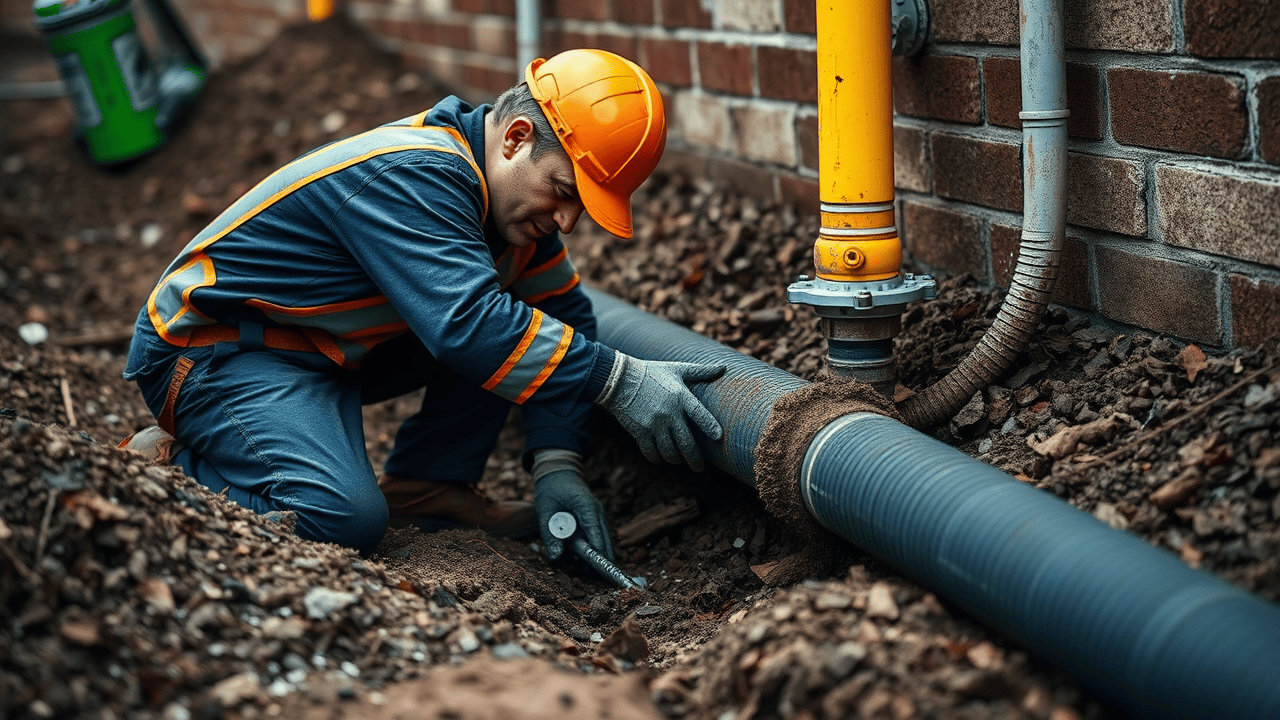
High Quality Plumbing Services specializes in comprehensive sewer line installation and repair, ensuring that your home or business has a reliable and efficient wastewater management system. Our experienced team utilizes the latest technology and techniques to diagnose issues, from minor blockages to complete sewer line failures. We understand that timely service is crucial when dealing with sewer problems, which is why we are committed to providing prompt and professional assistance. Whether you need a new sewer line installed or an existing line repaired, our skilled technicians deliver high-quality workmanship and exceptional customer service, ensuring peace of mind and a smooth-flowing plumbing system. Trust High Quality Plumbing Services to handle all your sewer line needs with expertise and care.
Costs Associated with Sewer Line Services
The costs linked to sewer line services vary significantly based on several factors. These can include the complexity of the job, the materials required, and the specific location of the issue. Basic repair services might only involve minimal expenses, while extensive installations or significant repairs can lead to higher expenditures. Homeowners should also factor in the potential need for excavation and the removal of landscaping or pavement, which can further increase costs.
It’s important to understand that plumbing companies might charge differently based on their expertise and the technology they use. Some may offer flat-rate pricing, while others may bill by the hour. Additional fees can arise from permits or inspections, especially in areas with strict regulations. A comprehensive understanding of these costs helps homeowners budget effectively for necessary sewer line services.
Factors Influencing Pricing
Several elements play a role in determining the costs associated with sewer line services. The complexity of the job significantly affects pricing; straightforward repairs typically cost less than extensive installations or replacements. The material used for the pipes also influences costs, with PVC and cast iron options varying widely in price. Geographic location can further impact expenses, as labor rates and material availability differ from one region to another.
The condition of the existing sewer line contributes to the overall cost as well. If the system needs extensive excavation or if there are multiple root infiltrations to address, this will drive up the price. Furthermore, permits and regulatory requirements may have an added cost, depending on local regulations. Lastly, choosing whether to employ a DIY approach or hire a professional plumber will also impact the final expenditure.
Choosing the Right Plumber
Selecting a skilled plumber is essential for ensuring proper sewer line installation and repair. Start by seeking recommendations from friends, family, or neighbors who have had similar services. Online reviews and ratings can provide additional insight into a plumber’s reputation and reliability. When considering plumbing professionals, it’s crucial to verify their licensing and insurance. These credentials not only indicate a plumber's qualification but also protect you from potential liabilities during the project.
Once you've compiled a list of potential plumbers, ask about their experience specifically related to sewer line services. Inquire whether they have handled projects similar to yours. Communication is vital for a smooth working relationship, so ensure that the plumber is responsive to inquiries and can explain their processes clearly. Requesting quotes in advance will help you compare prices and services offered, allowing for an informed decision that suits your plumbing needs.
Key Qualifications to Look For
When selecting a plumber for sewer line installation or repair, expertise is paramount. Look for professionals with relevant certifications and licenses that confirm their qualifications to perform plumbing work. Experience in handling sewer line issues is also crucial, as it ensures they are familiar with common problems and effective solutions. A plumber's track record, including customer reviews and references, can provide insights into their reliability and craftsmanship.
In addition to technical skills, strong communication abilities are essential. A good plumber should explain the process clearly and keep you informed about any issues that arise. They should also provide accurate estimates and adhere to timelines, demonstrating a commitment to professionalism. Assessing their willingness to answer questions and address concerns can further help gauge their customer service skills.
Maintenance Tips for Sewer Lines
Regular maintenance of sewer lines can help prevent costly repairs and inconvenient interruptions. Homeowners should schedule routine inspections to identify potential issues before they escalate. During these inspections, a plumber can assess the condition of the pipes and recommend necessary maintenance, such as cleaning or repairs. Keeping records of any work done can also be beneficial for future reference.
In addition to professional inspections, there are several best practices that homeowners can follow to protect their sewer lines. Avoid flushing non-biodegradable items or harmful chemicals down the toilet, as these can cause blockages or damage the pipes. Installing strainers over drains can catch debris before it enters the sewer system. Additionally, ensuring that trees and shrubs are planted at a safe distance from sewer lines can prevent roots from infiltrating and causing serious disruptions.
Best Practices to Prevent Clogs
Regular maintenance can significantly reduce the likelihood of clogs in sewer lines. Homeowners should consider scheduling routine inspections and cleanings by a professional plumber. Keeping an eye on what goes down the drains is equally important. Items such as grease, coffee grounds, and large food particles can accumulate and cause blockages over time.
Additionally, the use of drain screens and filters can help catch debris before it enters the plumbing system. Flushing the system with hot water periodically can also assist in breaking down buildup. Educating all household members on what should and should not be flushed can create a proactive approach toward maintaining clear sewer lines. Taking these preventive measures helps households avoid the inconvenience and expense associated with serious clogs.
FAQS
What are the typical costs associated with sewer line installation and repair?
The costs can vary widely depending on the extent of the damage, the materials used, and the complexity of the installation. On average, homeowners can expect to pay between $1,500 to $5,000 for sewer line repairs, while full installations can range from $3,000 to $25,000.
What factors influence the pricing for sewer line services?
Several factors can influence pricing, including the depth of the sewer line, the type of materials needed, the length of the line, any necessary permits, and local labor rates. Additionally, the severity of the issue and whether there are any underlying infrastructure problems can also affect costs.
How do I choose the right plumber for sewer line services?
When choosing a plumber, it's essential to look for licensed and insured professionals with experience in sewer line installation and repair. Ask for references, read online reviews, and check for any complaints with local consumer protection agencies.
What key qualifications should I look for in a plumber?
Key qualifications to look for include proper licensing and insurance, experience specifically with sewer line work, customer references, and any additional certifications related to plumbing or drain services.
What maintenance tips can help prevent sewer line issues?
Regular maintenance is crucial. Best practices include avoiding flushing non-biodegradable items, using drain covers to catch debris, scheduling routine inspections and cleanings, and being mindful of tree roots that may invade sewer lines.