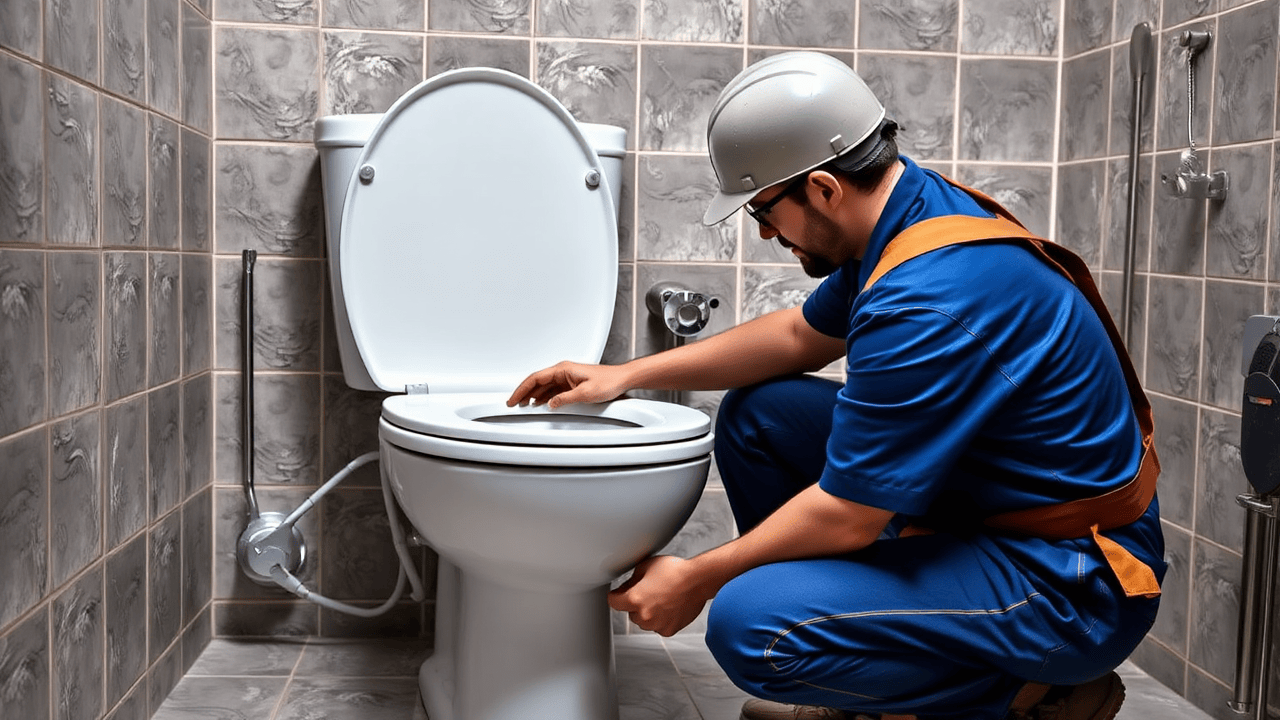
At High Quality Plumbing Services, we specialize in top-notch toilet installation and repair to ensure your bathroom functions flawlessly. Whether you're upgrading to a modern, water-efficient model or dealing with a pesky leak or blockage, our expert technicians are equipped to handle all your toilet-related needs. We prioritize quality and precision in every job, ensuring that your new toilet is installed securely and that any repairs are conducted with the utmost care. With our reliable services, you can trust that your bathroom will operate efficiently, enhancing both comfort and convenience in your home. Choose High Quality Plumbing Services for all your toilet installation and repair needs, and experience the difference of professional craftsmanship.
Choosing the Right Toilet for Your Home
Selecting a toilet involves considering several essential factors to ensure the best choice for your household. First, assess the space available in your bathroom. Measurements of the area can help determine the toilet size suitable for your layout. Additionally, consider the height of the toilet. Standard toilet heights range from 14 to 15 inches, while comfort-height models stand about 16 to 18 inches, catering to various preferences and accessibility needs.
Water efficiency has become a key factor in modern toilet selection. Toilets with the WaterSense label use significantly less water per flush, contributing to environmental sustainability while lowering water bills. Think about the style and design as well. Your toilet should complement your bathroom's decor, whether you prefer a classic or contemporary look. A well-chosen toilet can enhance both the functionality and aesthetic appeal of your space.
Factors to Consider Before Purchasing
When selecting a toilet, efficiency plays a crucial role. Look for models with a WaterSense certification, indicating they use less water while maintaining strong flushing power. This not only contributes to conserving water but also lowers utility bills. Additionally, consider the toilet’s style and shape, as these can affect comfort and aesthetics, particularly in smaller bathrooms.
Another important aspect to evaluate is the toilet’s height. Comfort-height toilets, which stand at about 17 to 19 inches tall, cater to individuals with mobility issues and can make sitting down and standing up easier. Also, check the bowl shape—round bowls save space, while elongated bowls offer greater comfort. Assessing these features ensures that you choose a toilet that meets both functional and comfort needs for your household.
Regular Toilet Maintenance Tips
Routine maintenance of your toilet can prevent many common issues and extend its lifespan. Regularly check for leaks by inspecting the tank and bowl. A simple dye test can identify silent leaks; add a few drops of food coloring into the tank and observe if it seeps into the bowl after a few minutes. Additionally, ensure that the flushing mechanism works properly—replace any worn parts as needed.
Cleaning your toilet regularly is equally important. Use a toilet brush and a mild cleaner formulated for ceramic or porcelain. Pay attention to the under-rim area where buildup can occur. Regularly check and clean the exterior as well, as this not only improves hygiene but also keeps your bathroom looking fresh. Keep the area around the toilet clear to allow for easy access and inspection.
How to Keep Your Toilet in Optimal Condition
Regular check-ups can prevent minor issues from becoming major repairs. Inspect the flapper valve, tank bolts, and flush handle for any signs of wear or damage. A worn flapper can lead to leaks, while rusted tank bolts can result in water damage. Tightening loose parts can often resolve these problems without needing to replace entire components.
Cleaning the toilet regularly helps maintain both functionality and hygiene. Use a toilet bowl cleaner to eliminate stains and prevent buildup within the bowl. Scrubbing under the rim ensures that water flows evenly during each flush. Additionally, don’t forget to clean the exterior parts, including the handle and tank, to reduce germs and bacteria.
Understanding Toilet Components
A toilet is made up of several key components that work together to ensure effective flushing and proper waste management. The main parts include the tank, bowl, flush valve, and the toilet seat. The tank is usually located at the back and stores water until the toilet is flushed. The bowl collects waste, while the flush valve controls the release of water from the tank into the bowl during a flush. Understanding each part helps homeowners identify issues that may arise during operation.
Another important component is the fill valve, which refills the tank after flushing. The flapper is also crucial, as it seals the tank and prevents water from leaking into the bowl. Additionally, the siphon jet helps create the necessary suction to evacuate waste efficiently. Regular maintenance and familiarity with these components can lead to timely repairs and prevent costly replacements, ensuring a smooth-functioning toilet.
Key Parts That Make a Toilet Function
A toilet relies on several essential components to function effectively. The tank, located at the back, stores the water necessary for flushing. Inside the tank, you'll find the flapper valve, which controls the release of water into the bowl when the toilet is flushed. The fill valve, also known as the ballcock, is responsible for refilling the tank after a flush. Adequate pressure and proper sealing are vital for these parts to work seamlessly.
The bowl plays a crucial role in the flushing mechanism, directing waste into the plumbing system. A siphon jet, located at the bottom of the bowl, creates suction when water flows through, ensuring that everything is effectively cleared. Additionally, the wax seal at the base of the toilet prevents leaks and odors from escaping into the bathroom. Understanding these components can help homeowners identify issues and perform necessary repairs or installations more confidently.
FAQS
What should I consider when choosing a toilet for my home?
When choosing a toilet, consider factors such as the size of your bathroom, the toilet's height, water efficiency, and style. Additionally, assess the flushing mechanism and whether you prefer a one-piece or two-piece design.
How often should I perform maintenance on my toilet?
It's recommended to perform regular maintenance on your toilet at least once a month. This includes checking for leaks, cleaning the bowl, and inspecting the components for any signs of wear.
What are the key components of a toilet that I should be aware of?
The key components of a toilet include the tank, bowl, flapper, fill valve, flush valve, and the wax ring. Understanding these parts can help you troubleshoot issues and perform repairs.
How can I efficiently repair a leaking toilet?
To repair a leaking toilet, first identify the source of the leak, which could be from the tank, the base, or the supply line. Tighten connections, replace worn washers or seals, and consider replacing the wax ring if the leak is at the base.
Is it necessary to hire a professional for toilet installation?
While some homeowners may feel comfortable installing a toilet themselves, hiring a professional can ensure proper installation and prevent potential issues down the line. It’s especially recommended if you’re not experienced with plumbing.