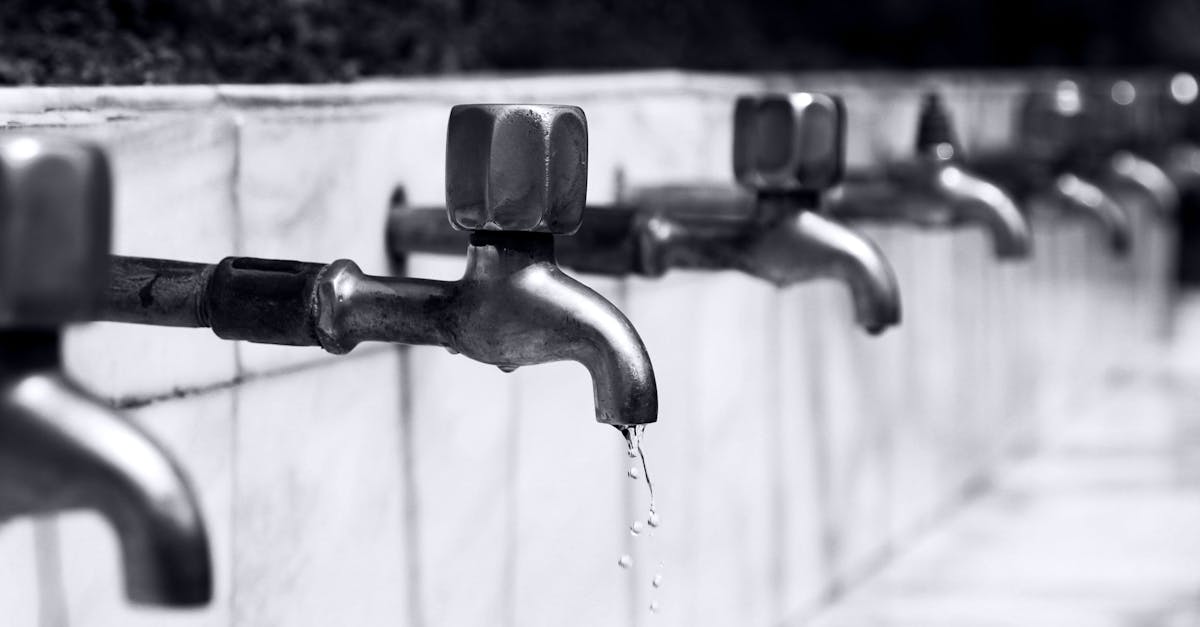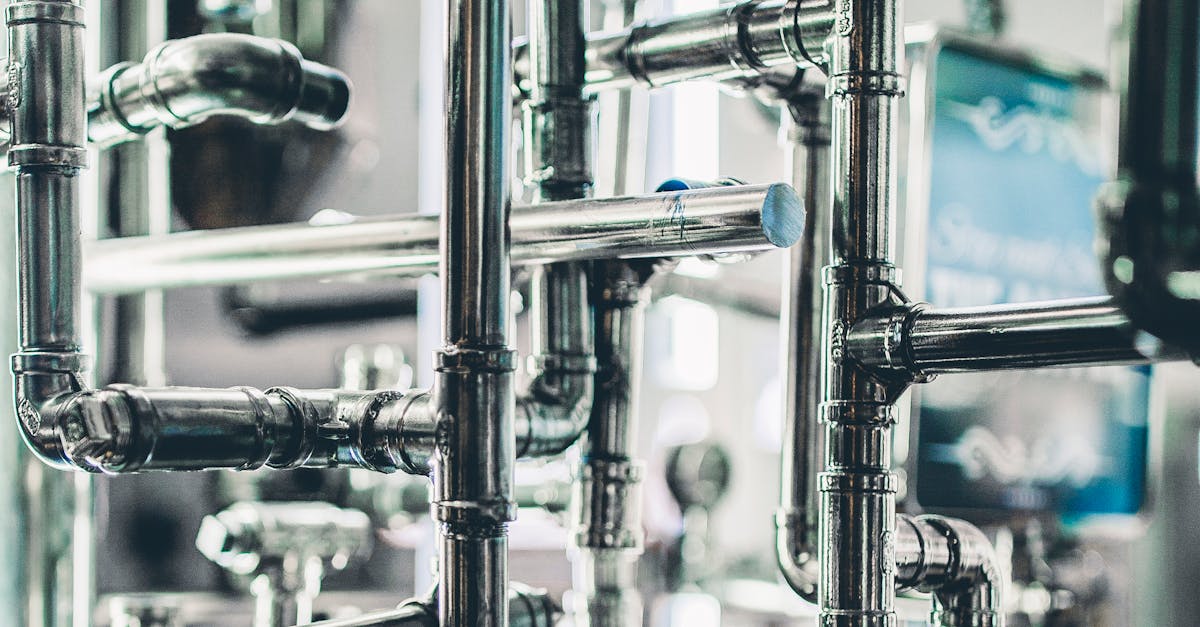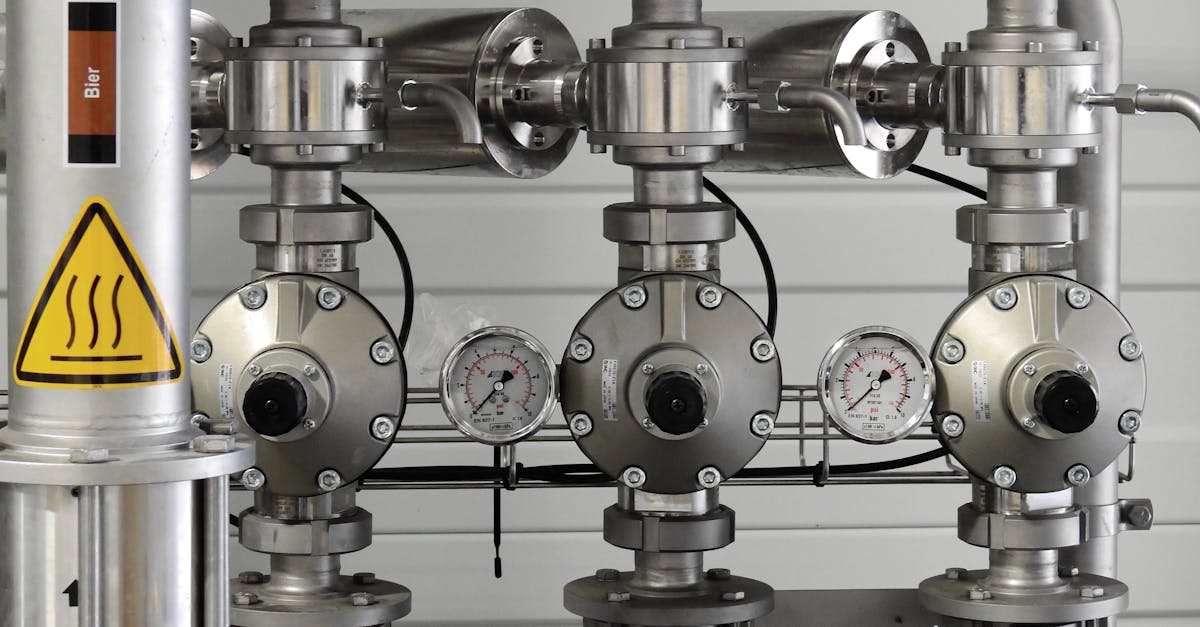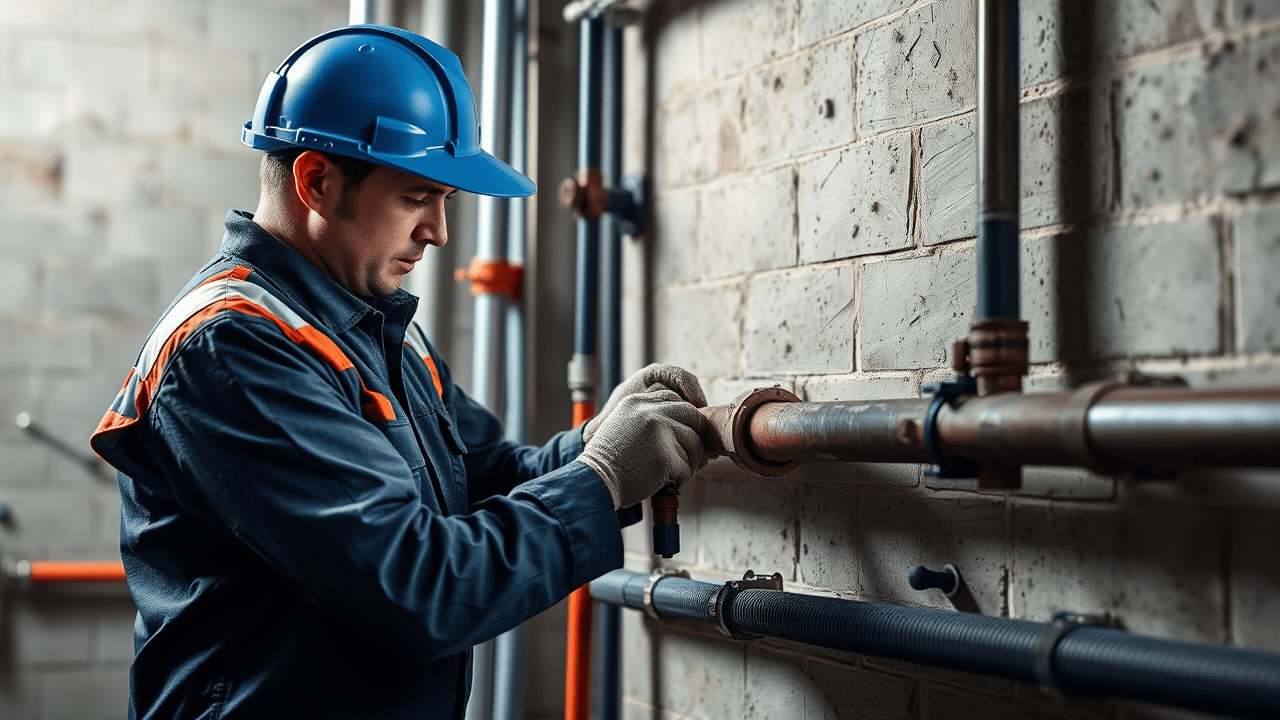
At High Quality Plumbing Services, we specialize in expert pipe installation and repair, ensuring that your plumbing system operates flawlessly. Our experienced team is dedicated to using top-notch materials and advanced techniques to install and repair pipes of all types, whether for residential or commercial properties. We understand the importance of a reliable plumbing system, which is why we conduct thorough assessments before any installation or repair work to guarantee long-lasting results. From addressing leaks and clogs to replacing outdated piping, our commitment to quality service means your plumbing needs are met with precision and care. Trust us to provide efficient, professional service that keeps your water flowing smoothly.
Common Pipe Repair Techniques
Leaky pipes can often be repaired using a variety of techniques depending on the severity and location of the damage. One common method involves using epoxy putty, which is a quick and effective solution for small leaks. After cleaning the affected area, the putty is kneaded and molded around the leak, providing a seal that hardens to create a watertight barrier. Another technique, suitable for larger issues, involves replacing sections of the pipe. This process requires cutting out the damaged pipe and installing a new piece, ensuring a secure fit with appropriate connectors and seals.
For more extensive leaks, pipe clamping can be employed. This technique uses a rubber pad on the leak, secured tightly with a metal clamp, offering a temporary but effective fix until a proper repair can be scheduled. Additionally, using pipe wraps can help with cracks and fractures, as these wraps expand and solidify in the presence of water. Each of these methods provides a viable option for addressing pipe leaks, ensuring homeowners can tackle issues before they escalate into more significant problems.
Methods for Effective Fixes
When addressing common pipe issues, several techniques can be employed to achieve effective fixes. One widely used method is epoxy resin, which can seal cracks and leaks in various types of pipes. This product is easy to apply and can be an effective temporary solution. Another popular technique involves using pipe tape or putty to wrap around the damaged area, offering a quick fix while providing a watertight seal.
For more significant issues, replacing the damaged section might be necessary. This entails cutting out the compromised pipe and installing a new piece, ensuring proper fittings and seals. Some homeowners may opt for a slip coupling, which makes connecting new and existing pipes easier without the need for extensive modifications. Regular inspection of pipes can help identify potential issues early, making it easier to apply these methods before problems escalate.
Preventive Maintenance for Pipes
Regular inspection of piping systems is essential for preventing future issues. Homeowners should check for visible signs of wear, such as corrosion, leaks, or unusual dampness around the pipes. Investing in quality materials during installation is equally important, as higher quality pipes tend to withstand wear and tear better. Additionally, conducting annual inspections by a qualified plumber can help identify potential problems before they escalate into major repairs.
Maintaining proper water pressure and temperature can also extend the lifespan of pipes. Avoiding drastic fluctuations can help prevent stress and subsequent breakage. Insulating pipes in colder areas protects against freezing and bursting during colder months. Regularly cleaning drains and disposing of waste properly reduces the likelihood of clogs, which can put extra strain on pipes. Following these maintenance practices ensures that the plumbing system remains efficient and reliable.
Tips to Avoid Future Problems
Regular inspections can significantly reduce the risk of future plumbing issues. Homeowners should take the time to check for any signs of wear, corrosion, or leaks in exposed pipes. Look for water stains on walls and ceilings, as these can indicate a leak that may worsen over time. If any irregularities are found, addressing them early can prevent more extensive damage and costly repairs.
Proper insulation of pipes, especially in exposed areas, is crucial during colder months. Freezing temperatures can cause pipes to crack or burst, leading to significant water loss and damage. Additionally, avoid pouring grease or harsh chemicals down drains, as these can accumulate and lead to clogs. Simple practices like these can help maintain the integrity of plumbing systems, ensuring smooth function for years to come.
Emergency Pipe Repair Situations
Unexpected pipe emergencies can arise at any moment, often leading to significant water damage. A burst pipe during cold weather may cause flooding and increase the risk of mold growth. Identifying the source of the issue quickly is crucial. Turn off the water supply to minimize damage. Keeping a set of essential tools handy can help manage minor situations until professional assistance is available.
In situations where the pipe damage is extensive, or you notice severe leaks, it's imperative to contact a plumber immediately. Attempting complex repairs without expertise can exacerbate the problem. Knowing when to seek help from a licensed professional will save time and resources. Professionals can provide the necessary knowledge and equipment to restore the plumbing system efficiently and effectively.
When to Call a Professional
Homeowners often face situations that require expert assistance. If a pipe bursts or there is a severe leak, quick action is essential. Attempting to fix significant damage without proper tools or experience can lead to further complications. Additionally, issues like low water pressure or unusual noises from the plumbing system may signal underlying problems that necessitate a professional diagnosis.
Complex repairs involving the main water line or sewer systems typically exceed the average homeowner's skill set. Professionals possess the knowledge to navigate local regulations, ensuring compliance while performing repairs. Engaging a licensed plumber can also save time and unnecessary expenses, as they can identify the root cause of issues and implement effective solutions promptly.
FAQS
What are the most common pipe repair techniques?
Some of the most common pipe repair techniques include using pipe clamps, epoxy putty, pipe sealant tape, and replacing damaged sections of pipe.
How can I prevent future pipe issues?
Preventive maintenance for pipes includes regular inspections, monitoring water pressure, ensuring proper drainage, and addressing minor leaks or corrosion promptly.
When should I call a professional for pipe repairs?
You should call a professional if you have significant leaks, cannot locate the source of a problem, or if the damage appears extensive and requires specialized tools or expertise.
What should I do in an emergency pipe repair situation?
In an emergency, turn off the water supply to the affected area, address any immediate risks like flooding, and contact a professional plumber for assistance.
How can I tell if my pipes need repair?
Signs that your pipes may need repair include visible leaks, water stains on walls or ceilings, reduced water pressure, unusual noises, or a sudden increase in your water bill.